You want to reduce unwanted noise. However, you do not know how. Many people use a sound barrier sheet to create quiet environments. The sheet is designed with dense and sound-blocking materials that limit the transfer of sound waves through walls and floors.
Why install a sound barrier?
Installing the sound barrier material is simple for temporary and permanent setups. The sheet is applied behind areas like:
- drywall
- under flooring
- hung as standalone panels
The effectiveness depends on the details of the materials, such as:
- thickness
- material quality
- proper placement
Sound barrier sheets enhance privacy. It prevents sound leakage between rooms. It is useful in apartments or shared spaces where controlled noise is essential.
Acoustic sheeting for noise reduction
Tightening noise regulations manage the acoustic impact of:
- urban development
- city center developments
The acoustic barrier sheet provides a high-performance solution for:
- scaffolding
- fencing
It is designed to contain site noise, ensuring project compliance.
Sound barrier acoustic sheeting is quick to install:
- standard scaffolding
- hoarding
- fencing
The noise barrier minimizes the noise pollution. The advanced acoustic barrier material functions as an acoustic curtain. It reduces the impact of sound to enhance the work environment.
Acoustic barrier sheets as soundproofing material
Acoustic barrier sheets are used as soundproofing materials.
Soundproofing reduces sound pressure levels in a specific space. Transmission of unwanted noise is minimized. Many are using acoustic insulation as soundproofing material. It creates a more comfortable environment with controlled acoustic properties of a space.
The soundproofing material addresses sound waves by:
- blocking
- absorbing
- dampening sound waves
Soundproofing effectively reduced the impact of unwanted sounds, such as:
- noise
- echoes
- reverberations
Blocking airborne noise
Adding walls or ceilings to the structure converts sound energy into heat, which reduces its transmission.
Dampening impact noise
Cushioning or separating the impact between structures minimizes the sound vibrations and energy circulation.
Absorbing sound
Acoustic panel is a porous material that absorbs sound waves, reducing:
- reverberation
- echo
Soundproofing is used for residential and commercial properties.
Residential setting. Soundproofing reduces external noise intrusion that focuses on:
- windows
- doors
- walls
The commercial applications include:
- Restaurants and bars. Soundproofing creates a more pleasant dining experience. It reduces the noise levels and improves acoustics.
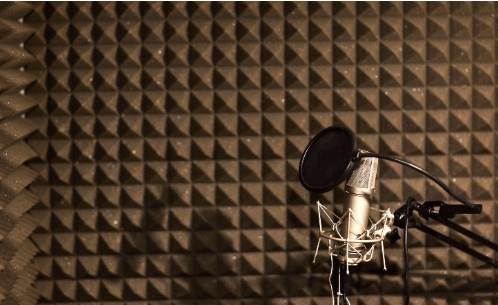
- Recording studios and music venues. Soundproofing is vital for:
- controlling sound levels
- preventing sound leakage
- Offices and workspaces. An open plan office benefits from soundproofing:
- Minimizing distractions
- Enhances productivity
See also: Professional Commercial Plumbing Solutions for Businesses and Large Facilities
Soundproofing sheet versus soundproofing panels
Soundproofing sheets
Soundproofing sheets are available in different configurations and materials. Each can provide:
- sound absorption
- insulation
The sheets feature adhesive backing for installation on equipment and machinery, ensuring secure attachment.
The advantages of soundproofing sheets are:
- Diverse applications. It is ideal for residential and industrial use. Soundproofing sheets are applied in numerous settings, which enhances acoustic performance.
- Effective sound insulation. Each sheet blocks and absorbs sound, which protects against:
- dust
- moisture ingress
Soundproofing panels
The soundproofing panels can effectively dampen sound in commercial spaces, such as:
- restaurants
- offices
They are constructed from high-density acoustic materials. These can prevent sound transmission between rooms, making it useful in residential and commercial interiors.
FAQs
Where is the right setting to use a soundproofing sheet?
The right setting to use a soundproofing sheet is:
- large reflective surfaces
- first reflection points
- and corners
This will stop the echo and absorb noise.
Where are sound barrier sheets installed?
Sound barrier sheets are installed in residential and commercial spaces, particularly on:
- walls
- ceilings
How does the soundproofing sheet work?
Soundproofing sheets or sound barrier sheets reduce sound transmission between rooms.
Is there a regulatory compliance for installing these sound barrier sheets?
Soundproofing is required in buildings to control noise pollution.