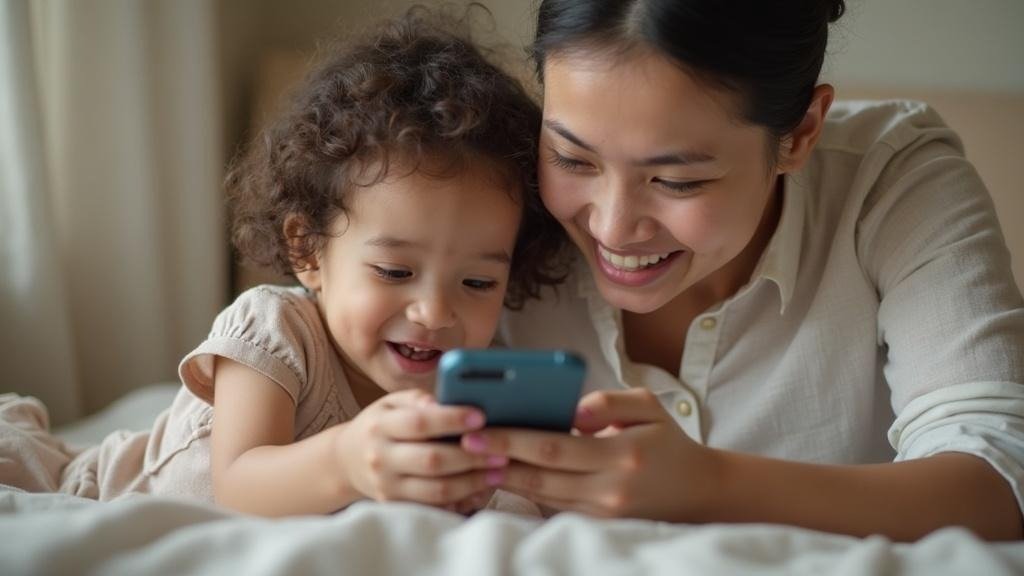
The one thing that separates a useful app from a useless one in this category: whether it reads the room. A child with ADHD, sensory sensitivities, or a speech delay does not need more pressure. They need practice that feels like play and knows when to ease up.
Here is how to choose, and which apps earn their place.
For outside context, see this asha.org.
How to Choose: Four Questions That Matter
Does it adapt, or just repeat? Fixed drill apps cycle through the same word list regardless of how the child is doing. Adaptive apps shift difficulty, pacing, and tone in response to the child’s actual performance.
Is the feedback encouraging or corrective? Kids who already avoid speaking do not need an app that marks answers wrong. Modeling the correct sound is more effective than flagging the error.
Can a parent see what happened? Progress visibility matters, especially if the child sees an SLP separately.
Does it fit your child’s regulation style? Session length, energy level, and whether the child has to read or type are all regulation factors. Not one app fits every profile.
One honest aside worth keeping in mind: no app on this list is a medical device, and none of them replace a licensed speech-language pathologist. They are practice tools.
See also: The 2026 Student Tech Stack: Why Assignment Help Websites are Now Essential for STEM Success
The 10 Apps
1. Speech Blubs
The most feature-complete app in this space. Over 1,500 voice-activated activities targeting articulation, vocabulary, and expressive language, with built-in support for apraxia, autism, ADHD, and speech delay. The child watches real kids and animated characters model sounds, then records themselves. Mirror mode adds a visual feedback layer. At roughly $14.49 per month or $59.99 per year, it is priced like a supplement to therapy rather than a replacement. Lifetime access runs $99.99.
2. Little Words
Built entirely around a voice-first AI companion named Buddy. No reading menus. No typing. The child just talks.
Buddy remembers the child’s name, favorite topics, and where they left off. Before each session there is a short mood check so Buddy can dial down his energy if needed. Sensory presets let parents choose between calm, gentle, and higher-energy modes. Sessions run 5 to 20 minutes, which fits the attention windows of younger and more distractible kids far better than most apps.
The speech-practice side is real: target-sound settings let parents specify sounds like /s/, /r/, /l/, /sh/, and /th/, and Buddy works those sounds into natural conversation and games like “What’s That Sound” and “Voice Maze.” Buddy models correct pronunciation instead of flagging errors as wrong. Parents get a progress dashboard, weekly cards, and SLP-style PDF reports they can bring to a therapist.
Best fit: kids ages 2 to 8, especially those who melt down at screen-of-text interfaces or who need a warmer, more relational practice experience. COPPA-compliant, no ads, no data sold. Free trial available; ongoing access is subscription-based.
3. Articulation Station (Little Bee Speech)
Designed by speech-language pathologists from the ground up. Over 1,200 target words organized by phoneme, with word, phrase, and sentence levels for each sound. It is a structured drill tool, not a play experience, but that structure is exactly what some kids and SLPs want. A single permanent purchase runs around $59.99. If your child is already in therapy and the SLP assigns home practice on specific sounds, this is one of the cleaner ways to do it.
4. Otsimo
Focused on non-verbal and minimally verbal children, autism, apraxia, and Down syndrome. AI feedback adjusts exercise difficulty in real time. Over 200 exercises, with a monthly price of $6.99 or $4.49 per month on an annual plan ($115.99 lifetime). The AAC component is a meaningful differentiator for families who need more than articulation practice.
5. Constant Therapy
Broader age range and clinical origin. Originally built for adult acquired disorders, it has expanded to cover developmental language goals. Evidence-based task design. Better suited to school-age kids and older. Pricing varies by plan.
6. Tactus Therapy Apps
A suite of individual clinical apps rather than one product. Each one targets a specific area, and prices range from about $9.99 to $99.99 per app. SLPs often recommend specific titles to families for targeted home practice between sessions.
7. Expressable (Teletherapy)
A video-based teletherapy platform, not a downloadable app. It connects families with licensed SLPs for real clinical sessions. Worth including here because it is the actual ceiling for what is possible at home. Real therapy. Real clinician. When an app is not enough, this is the next step.
8. ASHA’s Free Resources
The national professional body for speech-language pathology in the U.S. publishes free parent guides, sound development milestones, and activity ideas. No subscription. Useful before committing to a paid app to understand what stage a child is actually at.
9. Library Apps (Sora, Libby, Local Literacy Apps)
Many public library systems include speech-adjacent literacy apps at no cost. Worth checking before paying for anything. Coverage varies widely by region.
10. School-Based SLP Access (IDEA)
Children with identified speech or language disabilities in the U.S. are often entitled to SLP services through their school district at no cost under federal law. Check before paying out of pocket. The IEP process is the starting point.
Quick Comparison
| App / Option | Best For | Price | Regulation-Aware Features |
| Speech Blubs | Broad speech delay, ADHD, autism | $59.99/yr | Voice-first, mirror mode |
| Little Words | Ages 2-8, sensory/regulation needs | Free trial + subscription | Mood check, sensory presets, adaptive pacing |
| Articulation Station | Structured sound practice | $59.99 one-time | SLP-designed, phoneme-level |
| Otsimo | Autism, non-verbal, AAC needs | $4.49-6.99/mo | AI-adaptive, AAC included |
| Constant Therapy | School-age, evidence-based goals | Varies | Clinical task design |
| Tactus Therapy | Targeted individual goals | $9.99-99.99/app | Clinician-recommended |
| Expressable | Kids who need real therapy | Subscription | Licensed SLP, real sessions |
| ASHA Resources | Pre-purchase research | Free | N/A |
| Library Apps | Budget-conscious families | Free | Varies |
| School-Based SLP | IEP-eligible kids (U.S.) | Free under IDEA | Real therapy, legally mandated |
Sources
- ASHA (American Speech-Language-Hearing Association), asha.org, parent-facing publications on speech milestones and technology use
- U.S. Department of Education, IDEA (Individuals with Disabilities Education Act) overview, ed.gov
- Speech Blubs pricing and feature descriptions, speechblubs.com (public product page)
- Little Bee Speech / Articulation Station, littlebeespeech.com (public product page)
- Otsimo pricing, otsimo.com (public product page)
- Tactus Therapy, tactustherapy.com (public product listing)
- Expressable, expressable.com (public service description)