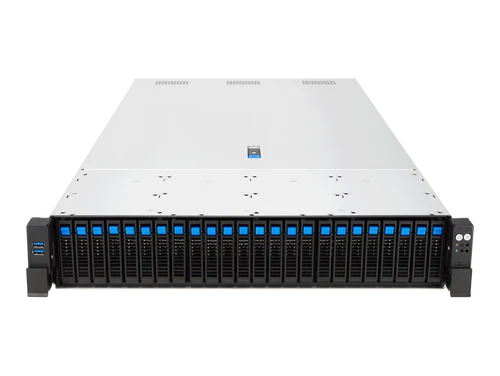
In today’s fast-evolving digital landscape, businesses depend heavily on efficient, scalable, and secure IT infrastructure. One of the most powerful technologies enabling this transformation is VMware virtualization servers. From reducing hardware costs to improving uptime and enabling flexible resource allocation, VMware has become a cornerstone of enterprise data centers.
This guest post explores how VMware virtualization servers work, their key benefits, real-world applications, and why partnering with a facility management company can maximize their value for your organization.
Understanding VMware Virtualization Servers
VMware virtualization servers are physical servers that use VMware’s hypervisor technology to create multiple virtual machines (VMs) on a single hardware system. Each VM operates like an independent computer with its own operating system, applications, and allocated resources.
VMware achieves this through its bare-metal hypervisor, known as ESXi, which sits directly on the physical server hardware. This layer manages CPU, memory, storage, and network resources efficiently across multiple virtual machines.
In simple terms, VMware virtualization servers allow organizations to run many “virtual servers” on a single physical machine without compromising performance or isolation.
As noted in enterprise IT architecture, virtualization helps abstract computing resources from physical hardware, improving efficiency and flexibility in data centers .
How VMware Virtualization Servers Work
The architecture of VMware virtualization servers revolves around three key components:
1. Physical Host Server
This is the actual hardware that provides computing power, storage, and networking.
2. VMware ESXi Hypervisor
The hypervisor is installed directly on the server hardware. It acts as a control layer that distributes resources among virtual machines.
3. Virtual Machines (VMs)
Each VM behaves like a standalone system with its own OS and applications.
VMware’s hypervisor enables multiple operating systems to run simultaneously on a single physical server while maintaining isolation between workloads .
Key Benefits of VMware Virtualization Servers
1. Cost Optimization
One of the biggest advantages is reduced infrastructure cost. Instead of deploying multiple physical servers, businesses can consolidate workloads onto fewer machines.
Studies show that virtualization significantly reduces hardware and operational expenses by improving server utilization .
2. Better Resource Utilization
Traditional servers often operate below capacity. VMware virtualization servers ensure that CPU, memory, and storage are dynamically allocated where needed, improving overall efficiency .
3. Scalability and Flexibility
Organizations can quickly scale virtual machines up or down depending on workload demand. This is especially useful for industries with fluctuating traffic such as e-commerce or financial services.
For example, a retail company can spin up additional virtual servers during seasonal sales without purchasing new hardware.
4. High Availability and Disaster Recovery
VMware includes features like live migration (vMotion), allowing virtual machines to be moved between servers without downtime. This ensures business continuity during maintenance or hardware failures.
Additionally, virtual environments can be backed up and restored quickly in case of disaster.
5. Improved Security and Isolation
Each virtual machine is isolated from others. This means that if one VM is compromised or fails, others remain unaffected.
This is especially important in industries like healthcare and banking where data security is critical.
Real-World Use Cases of VMware Virtualization Servers
Enterprise Data Centers
Large organizations use VMware virtualization servers to consolidate thousands of workloads into centralized data centers. This simplifies management and reduces physical infrastructure costs.
Software Development and Testing
Developers use virtual machines to simulate different operating systems and environments without needing multiple physical systems. This accelerates software testing cycles and improves reliability.
Cloud Computing Infrastructure
VMware is widely used in private and hybrid cloud environments. It forms the backbone of Infrastructure-as-a-Service (IaaS) platforms, allowing organizations to provision resources on demand.
Education and Training
Universities and training institutes use VMware virtualization servers to create virtual labs where students can practice without risking production systems.
Industry Insights: Why VMware Remains a Leader
Despite competition from other virtualization technologies, VMware continues to dominate enterprise environments due to its reliability, ecosystem, and scalability.
Modern IT strategies often combine virtualization with cloud computing and containerization. VMware integrates well into these hybrid environments, making it a long-term solution for enterprise IT transformation.
However, managing VMware infrastructure requires expertise in monitoring, patching, hardware optimization, and performance tuning.
This is where professional facility management becomes critical.
The Role of Facility Management in VMware Virtualization Servers
Managing VMware virtualization servers is not just about installation. It requires continuous monitoring, optimization, and maintenance of both physical and virtual environments.
A facility management company plays a vital role in ensuring the smooth operation of IT infrastructure.
1. Proactive Monitoring and Maintenance
Facility management teams continuously monitor server performance, detect bottlenecks, and prevent downtime before it occurs.
2. Hardware Lifecycle Management
Even though VMware reduces hardware dependency, physical servers still require maintenance. Facility managers handle upgrades, replacements, and lifecycle planning.
3. Energy Efficiency and Cooling Optimization
Data centers hosting VMware virtualization servers consume significant power. Facility management companies optimize cooling systems and energy usage to reduce operational costs.
4. Security and Compliance Management
They ensure that both physical and virtual environments comply with industry standards and security policies. This includes patch management and vulnerability assessments.
5. Disaster Recovery Planning
Facility managers design and maintain backup systems and recovery strategies, ensuring rapid restoration of VMware environments during failures.
See also: The 2026 Student Tech Stack: Why Assignment Help Websites are Now Essential for STEM Success
Practical Example: VMware in a Growing Business
Consider a mid-sized logistics company that manages shipment tracking, inventory systems, and customer portals.
Without virtualization, they might need:
- Separate servers for each application
- High hardware maintenance costs
- Complex infrastructure management
With VMware virtualization servers, they can:
- Run all applications on fewer physical servers
- Scale tracking systems during peak shipping seasons
- Improve system uptime with minimal downtime
- Reduce IT infrastructure costs significantly
When supported by a facility management company, the system becomes even more efficient with proactive monitoring and optimized resource allocation.
Challenges of VMware Virtualization Servers
While VMware offers many benefits, organizations should also be aware of certain challenges:
- Licensing costs can be high for enterprise-grade features
- Requires skilled IT staff for management
- Over-virtualization may lead to performance bottlenecks if not properly configured
- Dependency on underlying hardware performance
These challenges further highlight the importance of expert facility management support.
Future of VMware Virtualization Servers
The future of VMware virtualization servers is closely tied to hybrid cloud and software-defined data centers. Organizations are increasingly adopting flexible infrastructures that combine on-premise servers with cloud environments.
VMware continues to evolve with features that integrate virtualization, networking, and cloud automation into unified platforms, making it a key player in enterprise IT transformation.
Conclusion
VMware virtualization servers have revolutionized the way businesses design, manage, and scale their IT infrastructure. By enabling multiple virtual machines on a single physical server, organizations can reduce costs, improve performance, and achieve greater flexibility.
However, to fully unlock the potential of VMware environments, professional oversight is essential. A skilled facility management company ensures optimal performance, security, and efficiency across both physical and virtual layers.
For more information on optimizing your AI infrastructure with enterprise server solutions and expert deployment services, contact us.