There was a time when a site running smoothly meant the machines were loud, the crew was large, and the pace was whatever the equipment’s limitations allowed. That’s still true on plenty of sites today, because the upgrade conversation gets deferred until something breaks badly enough to force it.
The three pieces of equipment that come up most consistently in conversations about modern site performance aren’t glamorous. They don’t feature in industry press releases the way autonomous vehicles or drone surveying do. But a skid steer loader, a well-equipped crushing setup, and drivetrain technology that stops punishing operators for gear decisions, these are the things that actually change what a site can do in a day.
What The Skid Steer Changed About Tight-Space Work
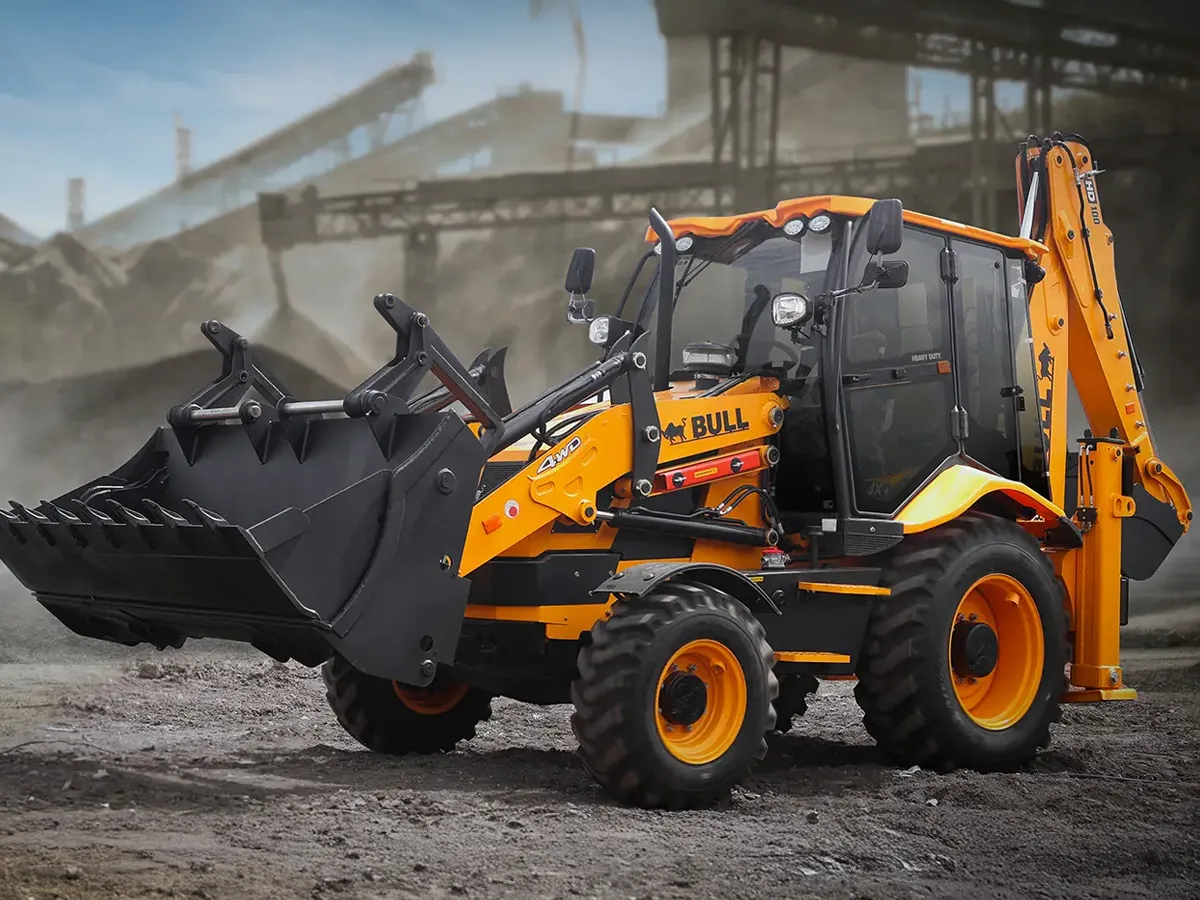
The compact construction site is a different animal from the open earthmoving project, and it demanded a different kind of machine. The skid steer answered that demand in a way that nothing before it quite managed, not because it’s the most powerful thing on a site, but because it can work in the spaces where power alone doesn’t get you anywhere.
Confined yards, indoor demolition, urban infill projects where the boundary between the work zone and everything else is measured in centimetres, these are environments where larger equipment creates as many problems as it solves. The skid steer’s turning radius and attachment versatility changed what was possible in those conditions, and the machines have gotten meaningfully better over the last decade in terms of visibility, operator comfort, and hydraulic performance.
The attachment ecosystem is where the real value accumulates. One machine, configured differently for different phases of the same project, reduces the equipment count on site and the coordination headache that comes with it.
See alos: 10 Speech-Practice Apps for Kids That Actually Know When to Back Off
Crushing On-Site And What It Actually Saves
Hauling material off-site to be crushed and returned costs money at every stage — loading, transport, tipping fees, return delivery, and time. The case for on-site crushing has strengthened as the equipment has become more practical to deploy and the cost of logistics has climbed.
A cone crusher operating on site turns demolition waste, excavated rock, and aggregate into usable material without it leaving the project boundary. For road projects, large civil works, and quarrying operations, these changes the economics of material management in ways that compound across the duration of a project.
The spec conversation matters here more than people give it credit for. A cone crusher running feed material it wasn’t designed for — wrong hardness, wrong size, wrong moisture content — wears faster and produces less consistent output. Getting the match right between the machine and the material profile of the specific project is where the savings actually come from.
Why Transmission Technology Stopped Being An Afterthought
For a long time, drivetrain decisions were made by engineers and mostly ignored by everyone else. Operators drove the machine they were given, and the transmission was just the thing between the engine and the wheels that sometimes caused problems.
The shift toward automatic transmission in heavy site equipment changed that relationship. The immediate effect operators notice is reduced fatigue — the mental load of managing gear changes across a long shift in variable terrain is real, and removing it has a measurable effect on both performance and error rates over the course of a day.
The less obvious effect is on the equipment itself. Automatic transmission systems respond to load conditions more consistently than manual inputs under pressure, which reduces drivetrain stress and extends service intervals in ways that show up in maintenance budgets over time. It’s not a headline feature, it rarely gets called out in procurement conversations — but the sites that have made the switch tend not to go back.
The Pattern Behind All Three
What the skid steer, the cone crusher, and the automatic transmission share is that none of them look like breakthroughs from the outside. They look like incremental improvements to equipment that already existed. The reason they’ve become standard on well-run sites is simpler than that; each one removes a friction point that used to be accepted as a fixed cost of doing the work.
Sites that perform consistently well tend to have gone looking for those friction points deliberately rather than waiting for them to become obvious problems. The equipment available now makes that a more productive search than it used to be.