Fires are unpredictable and can cause significant damage to property, business operations, and human life. Conducting a Fire Risk Assessment is a critical step in preventing fire incidents, safeguarding occupants, and protecting valuable assets. It involves identifying potential hazards, evaluating risks, and implementing measures to minimize fire threats.
What is a Fire Risk Assessment?
A Fire Risk Assessment is a systematic evaluation of a building or premises to identify fire hazards, determine who may be at risk, and assess the effectiveness of existing fire safety measures. The primary objective is to reduce the likelihood of fire and mitigate its consequences. Fire risk assessments also ensure compliance with legal and regulatory fire safety requirements.
Importance of Fire Risk Assessments
- Protecting Lives
The most important goal of a Fire Risk Assessment is to protect people. Identifying hazards, establishing evacuation routes, and training occupants ensures that risks to life are minimized in case of a fire. - Safeguarding Property
Fires can destroy buildings, equipment, and valuable assets. Risk assessments allow property owners and businesses to implement preventive measures that protect property and reduce damage. - Ensuring Legal Compliance
Fire safety laws in many countries require organizations to conduct regular Fire Risk Assessments. Compliance avoids legal penalties and demonstrates a commitment to safety. - Reducing Financial Losses
Fire incidents can lead to costly repairs, business interruptions, and higher insurance premiums. A proper risk assessment helps reduce these financial risks by identifying and addressing hazards proactively. - Promoting Safety Awareness
A Fire Risk Assessment raises awareness among staff, residents, and visitors. It encourages safe practices, proper use of equipment, and a coordinated response in emergencies.
See also: Rent a Car Dubai Without Deposit – A Smarter Way to Enjoy Stress-Free Travel
Steps to Conduct a Fire Risk Assessment
- Identify Fire Hazards
Examine the premises for potential fire hazards, including electrical faults, heating systems, cooking appliances, flammable liquids, and accumulation of combustible materials. - Identify People at Risk
Determine who might be affected in the event of a fire, including employees, visitors, residents, and vulnerable individuals such as children, elderly, or disabled persons. - Evaluate the Risks
Assess the likelihood of a fire occurring and the potential severity of its consequences. Review existing safety measures like fire alarms, extinguishers, sprinkler systems, and emergency exits. - Implement Control Measures
Introduce measures to reduce risks. This may include removing combustible materials, maintaining electrical systems, installing fire detection devices, and providing fire safety training for occupants. - Document Findings
Record all identified hazards, risk evaluations, and control measures. Documentation ensures accountability and demonstrates compliance with fire safety regulations. - Review and Update Regularly
Fire risk assessments should be reviewed periodically, especially after structural changes, changes in occupancy, or updates to fire safety systems. Regular reviews maintain the effectiveness of safety measures.
Common Fire Hazards
- Overloaded or faulty electrical circuits
- Improper storage of flammable liquids or gases
- Blocked or poorly marked emergency exits
- Poorly maintained heating or cooking appliances
- Unauthorized smoking areas
- Cluttered areas and combustible material buildup
Benefits of Professional Fire Risk Assessment
Hiring professional assessors ensures:
- Comprehensive identification of hidden hazards
- Accurate evaluation of fire risks
- Guidance on legal compliance
- Tailored recommendations for fire prevention
Fire Prevention Measures
Following a Fire Risk Assessment, the following steps are essential:
- Install smoke detectors, fire alarms, and sprinkler systems
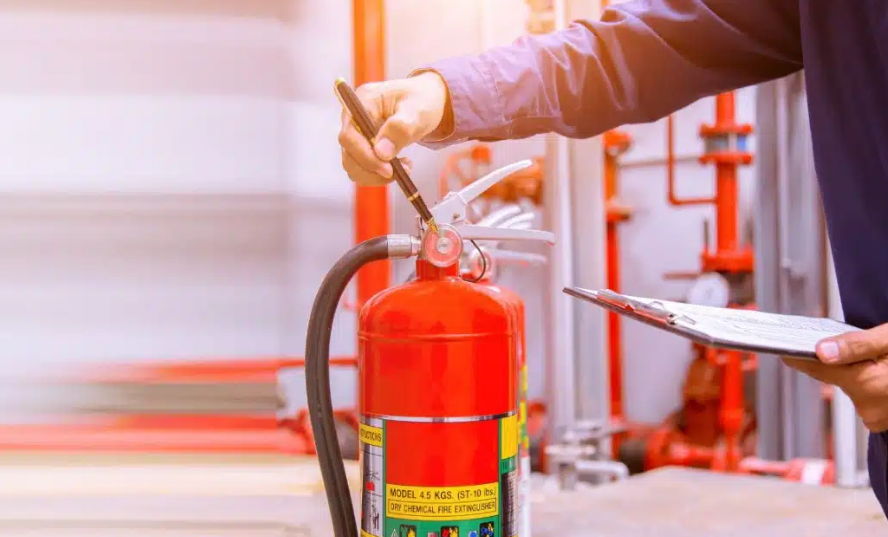
- Ensure fire extinguishers are accessible and properly maintained
- Keep emergency exits clear and well-marked
- Conduct regular fire drills and staff training
- Maintain electrical systems and heating appliances
- Store flammable and combustible materials safely
Conclusion
A Fire Risk Assessment is a fundamental component of fire safety management. It identifies hazards, evaluates risks, and ensures effective measures are in place to protect lives and property. Regular assessments, combined with staff training and preventive strategies, significantly reduce the likelihood and impact of fire incidents.
Investing in a comprehensive Fire Risk Assessment is not only a legal requirement but a proactive approach to creating a safe, secure, and fire-resilient environment for everyone