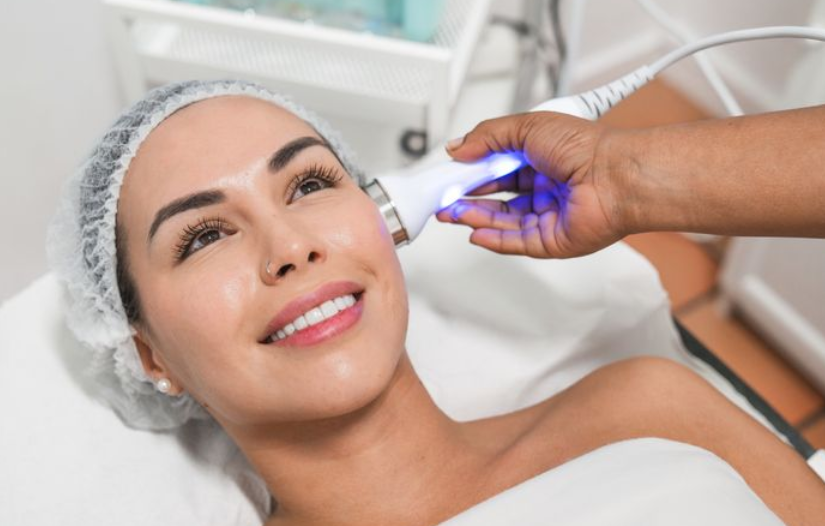
The brightness and freshness of the lower eye area often depend on the condition of deeper tissues rather than surface care alone. Modern eye bag removal strategies focus on restoring a smooth and natural transition between surrounding facial contours so that light reflects evenly across the under-eye region.
Careful planning begins with evaluating tissue depth, volume distribution, and the skin’s natural response. This assessment helps specialists design a personalized correction pathway that improves the appearance of the lower eyelid while preserving natural facial expressions. Subtle adjustments enhance tonal balance and structural harmony without creating dramatic or artificial changes.
A gradual and controlled approach allows the surrounding tissues to adapt naturally, resulting in a refined and stable outcome over time.
How Structural Mapping Supports Effective Correction
Detailed structural analysis helps determine the intensity of under-eye hollowness, skin laxity, and any shifts in volume within the lower orbital area. By understanding these factors, practitioners can develop a layer-based plan that targets the exact areas requiring correction.
This method ensures that adjustments follow the natural flow of facial contours, helping the under-eye region appear balanced and smooth. Proper mapping also improves how light reflects across the lower eyelid area, reducing shadowed or uneven tones.
See also: Electric Flat Roof Windows A Complete Guide to Innovation, Comfort, and Light
Why Gradual Volume Adjustment Is Important
A step-by-step approach to improvement often produces the most natural results. Small and carefully controlled refinements reduce the risk of sudden contour changes that may disrupt facial balance.
Gradual enhancement allows practitioners to maintain proportion with nearby facial features while monitoring the skin’s response after each stage. This adaptive strategy helps ensure consistent alignment and stable integration.
Can Surface Texture Affect the Final Outcome?
The smoothness of the skin surface is closely connected to the level of structural support beneath it. When the internal foundation is strengthened, tonal variations caused by shifting light often become less noticeable.
Important factors that contribute to a balanced outcome include:
- Improved skin response when treatment follows anatomical structure
- Controlled volume placement that maintains natural proportion
- Planned eye bag removal techniques that blend gradually with surrounding tissues
Together, these elements help create a more continuous and refined appearance.
Balancing Treatment Depth with Natural Expression
Selecting the appropriate treatment layer is essential for maintaining natural facial movement. When support is placed at the correct depth, the under-eye area can appear smoother without causing stiffness or limiting facial expressions.
This careful balance allows individuals to maintain their authentic emotional expressions while benefiting from aesthetic improvement.
Signs of Harmonious Integration
Successful under-eye correction often produces subtle but noticeable improvements. Certain indicators may suggest that the treatment has integrated well with surrounding tissues.
Common signs include:
- A soft transition between the under-eye area and nearby facial contours
- Even reflection of light across the lower eyelid region
- Stable positioning of corrected structures over time
Additional benefits may include:
- Progressive shaping that allows adjustments during follow-up reviews
- Accurate mapping that minimizes uneven projection
- Natural tissue adaptation that strengthens long-term stability
Long-Term Maintenance Through Regular Evaluation
Maintaining a refreshed under-eye appearance often requires periodic evaluation. Over time, natural aging and lifestyle factors can influence skin structure and volume distribution.
Follow-up assessments allow small refinements when necessary, helping preserve facial balance and the smooth contour of the lower orbital region. Consistent care ensures that improvements remain proportional and stable.
Frequently Asked Questions
How quickly can improvements be noticed?
Initial changes may become visible once swelling subsides and the tissues begin to settle.
Does a staged treatment approach improve stability?
Yes. Gradual correction typically allows better adaptation and integration with surrounding tissues.
Will facial expressions remain natural?
When depth and placement are carefully selected, natural facial movement is preserved.
Is follow-up care necessary?
Periodic evaluation can help maintain proportional balance and long-term results.
A Path Toward Lasting Under-Eye Renewal
Achieving refined lower eyelid contours requires accurate assessment, precise correction, and continuous evaluation. A structured and progressive treatment plan encourages the tissues to adapt naturally, ensuring the results remain balanced with surrounding facial features.
Balanced structural support helps reduce shadow contrast and create a smooth visual transition across the midface. Ongoing observation allows minor adjustments when needed, keeping the appearance refreshed while preserving natural facial movement and harmony.