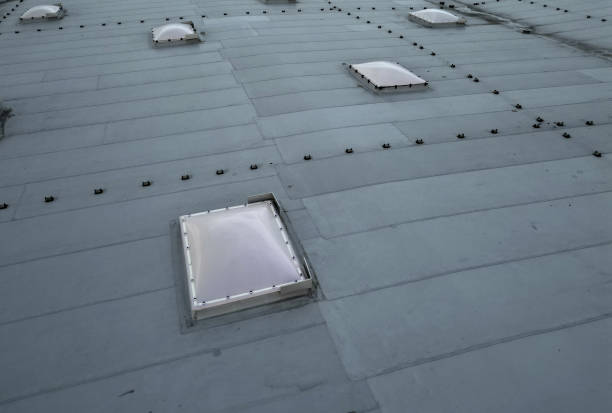
In modern architecture and contemporary home design, natural light and ventilation have become more than aesthetic luxuries; they are essential components of healthy, energy‑efficient living spaces. Among the solutions that architects, builders, and homeowners increasingly turn to are electric flat roof windows. These advanced glazing systems not only usher daylight into interior spaces but also deliver convenience through automation, improved airflow, and enhanced environmental performance. In this comprehensive guide, we’ll explore every aspect of electric flat roof windows from how they work and why they matter to benefits, installation considerations, maintenance tips, and design possibilities.
What Are Electric Flat Roof Windows?
Electric flat roof windows are operable roof windows installed on flat or low‑pitch roofs that open and close automatically via an electric motor. Unlike traditional roof windows that are manually operated, these systems are connected to power and control systems which allow:
- Remote operation
- Integration with smart home systems
- Timed opening and closing
- Weather‑responsive automatic control
Their design is sleek and modern, with large glass surfaces that optimize daylight penetration while maintaining thermal performance. These windows are engineered to withstand rain, wind, and temperature extremes, and are often part of sustainable building strategies aimed at reducing energy consumption and improving occupant comfort.
How Electric Flat Roof Windows Work
At their core, electric flat roof windows consist of a glass panel framed in a durable material such as aluminum, uPVC, or wood with protective cladding. The key components include:
1. Electric Drive Mechanism
An integrated motor opens and closes the window either on command or via programmed settings. The motor is typically powered by 230V mains electricity or a low‑voltage system. High‑quality models feature quiet operation and smooth motion.
2. Controls and Sensor Integration
Electric windows can be operated through:
- Wall switches
- Remote controls
- Smartphone apps
- Building management systems
Many systems also incorporate sensors such as:
- Rain sensors (which automatically close the window during precipitation)
- Temperature sensors
- CO₂ or humidity sensors (for optimal indoor air quality)
3. Sealing and Insulation
Modern electric flat roof windows employ multi‑layer seals and high‑performance glazing to ensure:
- Tight waterproof seals
- Thermal insulation
- Noise reduction
These design elements are crucial, especially on flat roofs where water drainage is less natural than on pitched roofs.
Advantages of Electric Flat Roof Windows
1. Enhanced Natural Light
Electric flat roof windows dramatically increase daylight penetration, especially in spaces that receive limited wall‑mounted window exposure such as interior rooms, bathrooms, kitchens, and open‑plan areas. Natural light improves mood, reduces eye strain, and contributes to healthier circadian rhythms.
2. Improved Ventilation and Air Quality
Indoor air quality is directly linked to ventilation. Electric flat roof windows can be programmed to open during optimal times of the day to:
- Remove stale air
- Lower humidity
- Bring in fresh outdoor air
Smart sensors can activate ventilation automatically when air quality drops, helping to control:
- VOCs (volatile organic compounds)
- Indoor pollutants
- Excess moisture
3. Automated Convenience
One of the greatest benefits of electric operation is convenience. Whether it’s opening the windows to let in morning air before you wake, or closing them in response to unexpected rain during your absence, automation reduces daily manual tasks.
4. Energy Efficiency and Sustainability
High‑quality electric flat roof windows with advanced glazing and thermal breaks improve a building’s energy performance by:
- Reducing reliance on artificial lighting
- Minimizing heat loss in winter
- Reducing heat gain in summer
Combined with passive solar design and strategic placement, they contribute to lower heating and cooling loads.
5. Security Enhancements
When properly installed, electric roof windows offer secure locking mechanisms that integrate with smart systems, alerting homeowners if unauthorized opening is detected.
6. Design Freedom and Aesthetic Impact
Flat roof windows open new possibilities in architectural design. They provide uninterrupted roof surfaces while infusing spaces with drama and openness. Their sleek profiles complement modern minimalist design trends.
Key Features to Look for in Electric Flat Roof Windows
When comparing products, consider the following:
Glazing Performance
- Low‑E coatings to control heat transfer
- Double or triple glazing for thermal efficiency
- Solar control glass to minimize overheating
Frame Material
- Aluminum durable and low maintenance
- uPVC cost‑effective and thermally efficient
- Timber with cladding aesthetic and well‑insulated
Control Options
- Local wall switch vs. wireless remote vs. app control
- Integration with home automation
- Sensor‑based automatic functions
Weather Protection
- Built‑in flashings for waterproofing
- Strong seals to prevent leaks
Noise Insulation
High‑performance glazing and multi‑layer seals help reduce external noise a key factor in urban settings.
Safety Features
- Locking systems
- Fire escape compliance (where relevant)
- Anti‑fall protection
Installation: What You Should Know
Electric flat roof windows must be installed by professionals to ensure proper waterproofing and performance. Here’s what the process typically involves:
1. Site Assessment
A qualified installer evaluates:
- Roof structural capacity
- Roof pitch and drainage characteristics
- Light and ventilation goals
2. Structural Preparation
Professionals will:
- Cut precise openings
- Reinforce framing if needed
- Ensure load distribution adheres to building codes
3. Integration With Roofing
Proper flashing systems are essential to prevent leaks. Installers coordinate with roofing materials (EPDM, PVC, TPO, built‑up roofing, etc.) to ensure a continuous waterproof barrier.
4. Electrical Connection
Certified electricians:
- Connect power safely
- Integrate controls (switches, apps, sensors)
5. Testing and Commissioning
Post‑installation, installers test:
- Opening/closing function
- Sensor operation
- Waterproofing integrity
Professional installation ensures peak performance and longevity, which is especially important for roof‑mounted systems where exposure to elements is constant.
Maintenance Tips for Long‑Term Performance
Electric flat roof windows perform best when maintained properly. Recommended practices include:
Regular Cleaning
Clean both interior and exterior glass to maintain clarity and performance. Use mild, non‑abrasive cleaners.
Check Seals and Flashings
Inspect seals at least twice a year for:
- Damage
- Wear and tear
- Debris buildup
Prompt repairs prevent leaks.
Lubricate Moving Parts
Although electric systems have few manual components, periodic lubrication of hinges and tracks ensures smooth operation.
Electrical Checks
Annual inspections by a qualified technician help identify loose connections or sensor issues before they become problems.
Common Applications
Electric flat roof windows are versatile and can be used in:
Residential
- Living rooms
- Bedrooms
- Kitchens
- Stairwells
- Bathrooms
- Basements with roof light access
Commercial Spaces
- Offices
- Conference rooms
- Lobbies
- Retail stores
Institutional Buildings
- Schools and libraries
- Hospitals and clinics
- Fitness centers
Industrial Settings
- Warehouses
- Studios
- Workshops
Their natural light benefits make them valuable wherever daylight is limited and improved air circulation is needed.
Design Considerations and Trends
Maximizing Daylight Without Heat Gain
Electric flat roof windows can be paired with:
- Solar shading
- Light‑diffusing glazing
- Reflective interior surfaces
This combination ensures daylight without excessive heat.
Integration With Smart Home Ecosystems
Electric roof windows that integrate with voice control systems and automated schedules enhance convenience.
Aesthetic Harmony
Available in custom colors and finishes, these windows can match exterior and interior styles seamlessly.
See also: What to Look for When Choosing a Trusted Moving Partner
Energy Performance and Sustainability
Electric flat roof windows contribute to green building standards such as:
- LEED (Leadership in Energy and Environmental Design)
- BREEAM (Building Research Establishment Environmental Assessment Method)
By improving natural light and ventilation, they reduce dependence on artificial lighting and HVAC systems a major plus in sustainable design.
Cost Considerations
Several factors influence cost:
- Window size and glazing type
- Frame material
- Control and sensor integration
- Professional installation complexity
- Roof access challenges
Although the upfront investment can be higher than traditional windows, the long‑term benefits in energy savings, comfort, and property value often justify the cost.
Choosing the Right Supplier and Installer
When selecting an electric flat roof window solution, consider:
- Product warranties
- Installation guarantees
- After‑sales support
- Local code compliance
- Reviews and case studies
Working with experienced providers ensures results that meet expectations and industry standards.
Conclusion: Light, Innovation, and Comfort
Electric flat roof windows represent a fusion of architectural elegance and practical innovation. By harnessing natural light, enhancing ventilation, and simplifying operation, they elevate interior spaces in every type of building. Their automation features, sustainability benefits, and design versatility make them a preferred choice for forward‑thinking homeowners and professionals alike.
Whether you’re building new or upgrading an existing space, electric flat roof windows open your interior to light, fresh air, and enhanced comfort all at the touch of a button.
Contact Us
If you’re ready to bring the benefits of electric flat roof windows to your property or want personalized guidance on the best solutions for your space, Contact Us today. Our experts are here to help you design, select, and install the perfect system to match your needs and style.