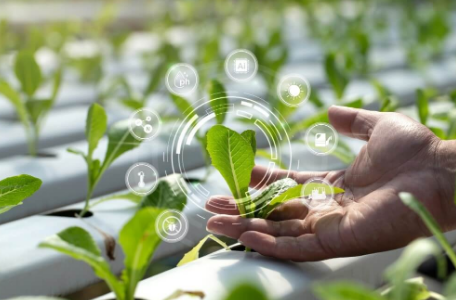
Agricultural technology innovations are reshaping modern farming practices. Precision farming employs data analytics for real-time crop monitoring, enhancing productivity. Automation and robotics streamline operations, reducing labor costs. Additionally, eco-friendly techniques minimize environmental impact while maximizing yield. As these technologies continue to evolve, their implications for traditional farming practices raise important questions about sustainability and efficiency. The exploration of these advancements reveals deeper insights into the future of agriculture.
Understanding Precision Farming: An Overview of Its Impact
As agriculture faces increasing challenges related to climate change, population growth, and resource scarcity, precision farming emerges as a transformative solution that leverages advanced technologies to optimize crop production.
This approach enables real-time crop monitoring and data analysis, facilitating targeted interventions that enhance yield optimization.
How Automation and Robotics Increase Efficiency in Farming
Precision farming establishes a foundation for the integration of automation and robotics in agricultural practices.
Through advanced crop monitoring technologies, farmers can optimize resource use, enhancing productivity.
Robotic harvesting systems further streamline operations, reducing labor costs and increasing efficiency.
This synergy between automation and agriculture not only elevates yield potential but also empowers farmers to make informed decisions, fostering sustainable practices.
What Role Does Data Analytics Play in Precision Farming?
Data analytics serves as a transformative force in precision farming, enabling farmers to harness vast amounts of agricultural data for strategic decision-making.
Through advanced data visualization techniques, stakeholders can identify trends and anomalies, while predictive modeling enhances yield forecasts and resource allocation.
This integration of analytics empowers farmers to optimize practices, improve efficiency, and ultimately achieve greater autonomy in their agricultural endeavors.
How Innovations Are Making Farming More Sustainable
Innovations in agricultural technology are driving a significant shift toward more sustainable farming practices.
By integrating eco-friendly techniques such as precision irrigation and organic pest management, farmers can optimize resource use while minimizing environmental impact.
These advancements foster resilience in agricultural systems, enabling producers to maintain productivity without compromising ecological health, ultimately paving the way for a more sustainable and liberated farming future.
Conclusion
In conclusion, agricultural technology innovations are transforming farming into a highly efficient and sustainable enterprise. For instance, precision farming techniques can increase crop yields by up to 30% while reducing water usage by 20%. This statistic underscores the profound impact of integrating advanced technologies, enabling farmers to achieve optimal productivity while preserving vital resources. As these innovations continue to evolve, they promise to further enhance the resilience and sustainability of global agricultural practices.